How to Choose the Right Digital Camera: A Clear, Modern Buying Guide
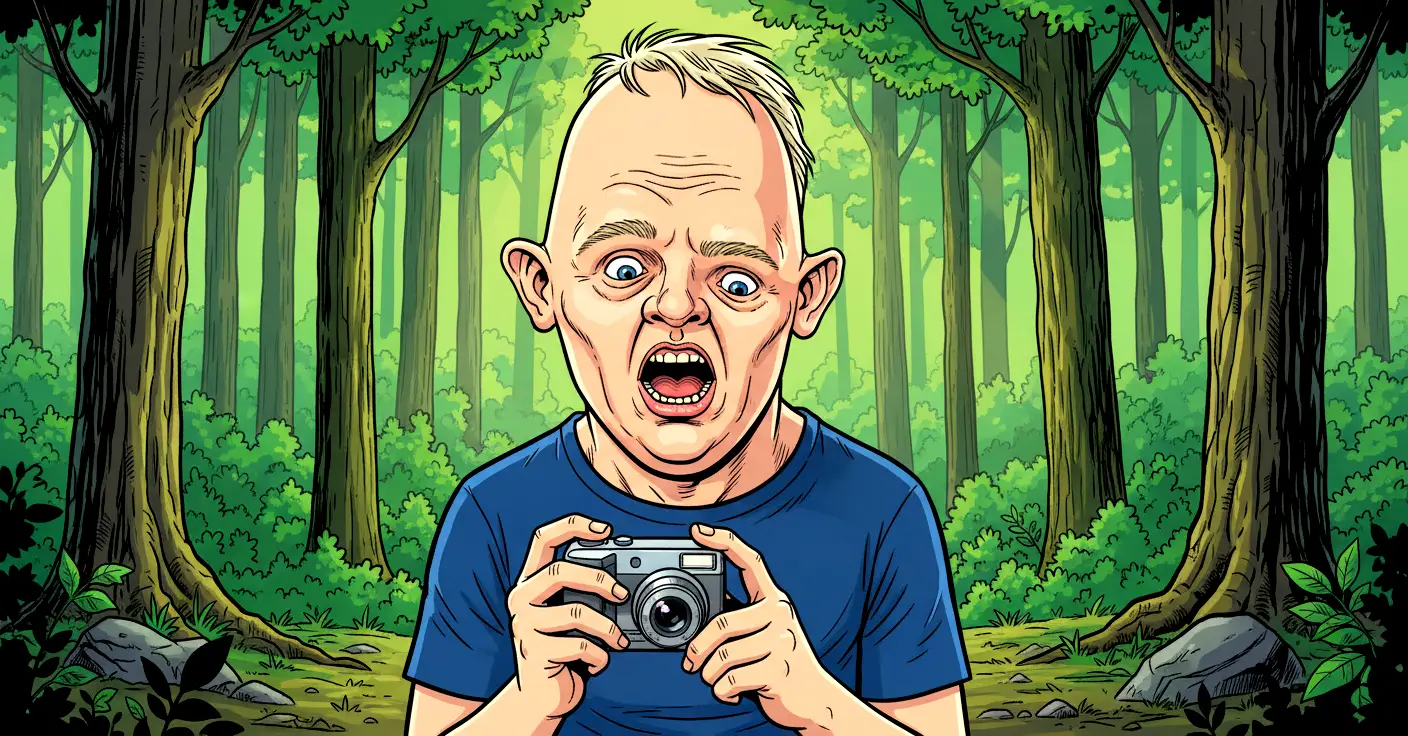
Choosing a digital camera should be exciting, but for many people it feels more like revising for an exam they didn’t know they’d signed up for. The question “Which camera should I buy?” sounds simple enough, yet the answer depends on how, where and why you take photos. The market is full of DSLRs, compact cameras, mirrorless systems, action cams and smartphones that claim to outperform the Hubble Telescope. No wonder people get confused.
This guide cuts through the noise. It explains the main types of cameras, what features actually matter, and how to avoid buying something that looks impressive on paper but disappoints the moment you try to photograph your dog mid‑zoomies. By the end, you’ll know exactly what to look for — and what to ignore — so you can choose a camera that genuinely suits your needs.
Start With How You’ll Use the Camera
Before diving into specifications, megapixels and marketing jargon, think about how you actually take photos. Do you want something small for holidays? Something fast for sports? Something flexible for portraits and landscapes? Or something that simply takes better pictures than your phone without requiring a degree in astrophysics?
Your intended use determines whether you should look at a DSLR, a compact camera or a mirrorless (hybrid) system. Each has strengths and weaknesses, and none is automatically “better” — only better for certain people.
Megapixels: The Most Misunderstood Number in Photography
Megapixels are the most overhyped specification in the camera world. Many people assume more megapixels equal better photos, but that’s like assuming a bigger fuel tank makes a car faster. It doesn’t.
What matters far more is the size of the sensor and the quality of the lens. A 12‑megapixel camera with a large sensor and good optics will outperform a 48‑megapixel smartphone every single time. This is because larger sensors capture more light, more detail and more dynamic range. Smartphones compensate with computational tricks, but physics still wins.
So don’t be put off by a camera with “only” 16 or 20 megapixels. For most people, that’s more than enough for prints, social media, family photos and even professional work. Unless you’re planning to wallpaper your house with your own face, megapixels are not the deciding factor.
Digital Zoom vs Optical Zoom
Digital zoom is essentially cropping the image and pretending it’s zoomed in. It reduces quality and should be avoided unless you enjoy blurry, pixelated photos that look like they were taken on a potato.
Optical zoom, on the other hand, uses the lens to magnify the image properly. Always choose optical zoom. Fortunately, most modern cameras rely on optical zoom anyway, but it’s still worth checking.
Understanding Camera Types
DSLR Cameras
A DSLR (Digital Single‑Lens Reflex) camera uses a mirror system that reflects light into an optical viewfinder. When you press the shutter, the mirror flips up and the sensor captures the image. This design has been around for decades and is still loved by many photographers.
Why DSLRs Are Great
DSLRs are known for excellent image quality, fast autofocus and minimal shutter lag. Press the button and the photo is taken instantly — ideal for sports, wildlife or children who refuse to stay still for more than half a second. They also offer full manual control, a huge range of lenses and accessories, and robust build quality.
The large sensors in DSLRs produce clean, detailed images with good low‑light performance. Even entry‑level models outperform most compact cameras and all smartphones.
Why DSLRs Aren’t for Everyone
DSLRs are bulky. They take up space in your bag, your hands and your life. If you want something discreet or lightweight, a DSLR may feel like carrying a brick with buttons. They also have a steeper learning curve, and while automatic modes exist, DSLRs shine when you take control — which not everyone wants to do.
They can also be more expensive, especially once you start buying additional lenses. Photography can quickly become a hobby where your wallet cries quietly in the corner.
Compact Cameras
Compact cameras are small, lightweight and designed for convenience. They fit in your pocket, your handbag or the glove compartment of your car. They’re ideal for travel, family events and everyday snapshots.
Why Compact Cameras Are Useful
Compact cameras are simple. You turn them on, point, shoot and admire your work. Everything is built in — lens, flash, screen — and many models offer surprisingly good zoom ranges. They’re also great for people who want better photos than a smartphone but don’t want to carry a large camera.
Some compact cameras are rugged, waterproof and shock‑resistant, making them perfect for holidays, outdoor adventures or giving to children who treat electronics like chew toys.
Where Compact Cameras Fall Short
Compact cameras have small sensors, which limits image quality, especially in low light. They can be slower to focus, slower to capture images and less reliable for fast‑moving subjects. You also can’t change the lens, so you’re stuck with whatever the manufacturer built in.
Many compact cameras also lack RAW support, meaning you have less flexibility when editing photos. JPEGs are fine for everyday use, but RAW files give you far more control.
Mirrorless (Hybrid) Cameras
Mirrorless cameras are the modern alternative to DSLRs. They remove the mirror mechanism entirely, using an electronic viewfinder or the rear screen to show the image. This makes them smaller, lighter and often faster.
Why Mirrorless Cameras Are So Popular
Mirrorless cameras combine the flexibility of DSLRs with the portability of compact cameras. They offer interchangeable lenses, excellent image quality, fast shooting speeds and advanced autofocus systems. Many professional photographers now use mirrorless systems because they’re lighter and more efficient without sacrificing performance.
The electronic viewfinder also shows you exactly how the final image will look, including exposure, colour and depth of field. This makes learning photography much easier.
The Downsides of Mirrorless Cameras
Battery life is usually shorter because the electronic viewfinder and screen consume more power. Some models can also be expensive, especially when you start adding lenses. Autofocus performance varies between brands and models, though the best mirrorless cameras now rival or exceed DSLRs.
Do You Need Extra Equipment?
A good memory card is essential. Choose a reputable brand and buy the speed recommended for your camera. Cheap, unknown cards may save you a few pounds but can fail without warning, taking your holiday photos with them.
An external flash can dramatically improve indoor photos by reducing harsh shadows and avoiding red‑eye. A tripod is useful for landscapes, night photography and video. And an extra battery is always a wise investment — cameras have a habit of dying at the exact moment something interesting happens.
Video Capabilities
Most modern cameras offer excellent video recording, often in 4K or higher. The main limitations are autofocus performance and audio quality. If you plan to record video regularly, look for a camera with reliable continuous autofocus and consider buying an external microphone.
Video also requires fast, high‑capacity memory cards, so factor that into your budget.
Do Your Research
Before buying a camera, read reviews from reputable sources. Look at sample photos, watch video tests and check how the camera performs in real‑world situations. User reviews can also be helpful, though take them with a pinch of salt — some people will complain that a camera is “too heavy” when it weighs less than a sandwich.
Try Before You Buy
A camera should feel comfortable in your hands. Visit a shop, hold different models and see how the menus work. Some cameras feel intuitive; others feel like they were designed by someone who hates humans. Comfort matters more than you might think.
Which Brand Should You Choose?
Canon, Nikon, Sony, Fujifilm, Panasonic and Olympus all make excellent cameras. No brand is universally “best”. What matters is which system suits your needs, budget and preferences.
If there’s one rule worth remembering, it’s this: invest in good lenses. A high‑quality lens will improve your photos more than upgrading the camera body. Look for lenses with wide apertures such as f/2.8, f/3.5 or f/5.6, depending on the type.
Conclusion
Choosing the right digital camera isn’t about chasing the highest megapixel count or buying the most expensive model you can find. It’s about understanding how you take photos, what features matter to you and which type of camera fits your lifestyle.
DSLRs offer power and flexibility, compact cameras offer convenience, and mirrorless cameras offer a modern balance of both. All can produce stunning images in the right hands. The most important thing is learning how to use your camera — because even the best equipment can’t compensate for never taking it out of the box.
Pick a camera that feels right, learn its strengths, practise often and enjoy the process. After all, photography is meant to be fun, not a technical endurance test.