How to Choose the Right DSLR Camera: A Complete Beginner-to-Expert Guide
Choosing a digital SLR camera—often referred to as a DSLR—can feel like stepping into a completely different world. Whether you’re buying your first interchangeable‑lens camera or upgrading from an older model, the sheer number of options, features and technical terms can be overwhelming. Yet the rewards are enormous. A DSLR opens the door to creative control, superior image quality and a level of flexibility that compact cameras and smartphones simply cannot match.
This guide breaks everything down in a clear, friendly and easy‑to‑understand way. It updates older advice, adds modern context and helps you make a confident decision based on your needs, your budget and your long‑term photographic ambitions.
Why Choose a DSLR?
You might wonder why you should invest in a DSLR when smartphones and compact cameras have improved so much. The answer lies in the fundamental differences in design, sensor size, lens flexibility and manual control. A DSLR is built for photography first and foremost, and that focus gives it several advantages.
The most important difference is the sensor. DSLRs use much larger sensors than compact cameras and phones, which means they capture more light, more detail and more dynamic range. This is especially noticeable in low‑light situations, where smaller sensors struggle and produce grainy, noisy images. A DSLR can shoot in dimly lit rooms, at dusk or indoors without flash, and still produce clean, sharp results.
Larger sensors also allow for greater control over depth of field. This is the ability to blur the background while keeping your subject sharp—a look that is difficult to achieve on compact cameras and phones without artificial processing. With a DSLR, this effect is natural, optical and far more pleasing.
Another major advantage is speed. DSLRs start up almost instantly, focus quickly and can capture multiple frames per second with ease. This makes them ideal for action photography, sports, wildlife or simply capturing fast‑moving children and pets.
The optical viewfinder is another key feature. Unlike electronic screens, an optical viewfinder shows you the scene directly through the lens, with no lag, no glare and no battery drain. This makes composition easier and more accurate, especially in bright sunlight.
Finally, DSLRs offer full manual control. You can adjust aperture, shutter speed, ISO, white balance and more, giving you complete creative freedom. While many compact cameras offer limited manual modes, DSLRs are designed for photographers who want to grow, experiment and refine their skills.
Flexibility Through Lenses and Accessories
One of the greatest strengths of a DSLR system is its expandability. You are not limited to the lens that comes in the box. Instead, you can build a kit that suits your style and interests.
If you enjoy landscapes, you can invest in a wide‑angle lens. If you love wildlife or sports, a telephoto lens will bring distant subjects closer. Portrait photographers often choose lenses with wide apertures to create beautiful background blur. Macro lenses allow you to capture tiny details, such as insects or flowers, with incredible clarity.
Accessories also expand your creative possibilities. External flashes provide more power and flexibility than built‑in units. Filters can enhance colours, reduce reflections or allow long exposures in bright daylight. Tripods help with stability, especially for night photography or long exposures. The DSLR ecosystem is vast, and you can grow your kit gradually over time.
The Power of RAW Format
Most DSLRs allow you to shoot in RAW format, which preserves all the data captured by the sensor. This gives you far more flexibility when editing your photos. You can adjust exposure, white balance, contrast and sharpness without degrading image quality. Compact cameras and smartphones often rely on heavy processing and compressed JPEG files, which limit your ability to make adjustments later.
RAW files are larger and require more storage, but the creative freedom they offer is invaluable. If you want to develop your photography skills, shooting in RAW is one of the best ways to learn.
Setting a Realistic Budget
Before you start comparing models, it’s important to decide how much you’re willing to spend. DSLRs vary widely in price, from affordable entry‑level models to professional bodies costing several thousand pounds. Your budget should include not only the camera body but also lenses, memory cards, a carrying case and possibly an external flash or tripod.
Many beginners make the mistake of spending most of their budget on the camera body and settling for the cheapest kit lens. In reality, lenses have a greater impact on image quality than the camera itself. A modest DSLR paired with a high‑quality lens will outperform an expensive body with a poor lens.
If you already own lenses from a previous camera, check whether they are compatible with newer models. In many cases, older lenses work perfectly well, though some may have limitations such as manual focus only.
What You’re Paying For: Understanding Price Differences
DSLRs come in several tiers, each offering different features and build quality. Understanding what you get at each level helps you decide whether a more expensive model is worth the investment.
Entry‑level DSLRs are designed for beginners. They are lightweight, affordable and easy to use. They offer good image quality and basic manual controls but may lack advanced features such as weather sealing, high‑speed burst shooting or sophisticated autofocus systems.
Mid‑range DSLRs offer better build quality, more direct control buttons, faster performance and improved autofocus. They are ideal for enthusiasts who want more flexibility and durability.
Professional DSLRs are built like tanks. They feature weather‑sealed bodies, extremely fast burst rates, advanced autofocus systems, large buffers and exceptional low‑light performance. These cameras are designed for demanding environments and heavy use.
The price difference often reflects the materials used. Cheaper models are usually made of plastic, while higher‑end models use magnesium alloy or carbon fibre for increased durability. Weather sealing is another major factor. If you frequently shoot outdoors in unpredictable conditions, a weather‑sealed body is worth the investment.
Speed is another area where more expensive models excel. High‑end DSLRs can shoot many frames per second, making them ideal for sports or wildlife photography. They also have larger buffers, allowing you to shoot long bursts without slowing down.
More advanced models also offer additional buttons and dials, giving you quicker access to settings without diving into menus. This makes shooting more intuitive and efficient.
Image Quality: What Really Matters
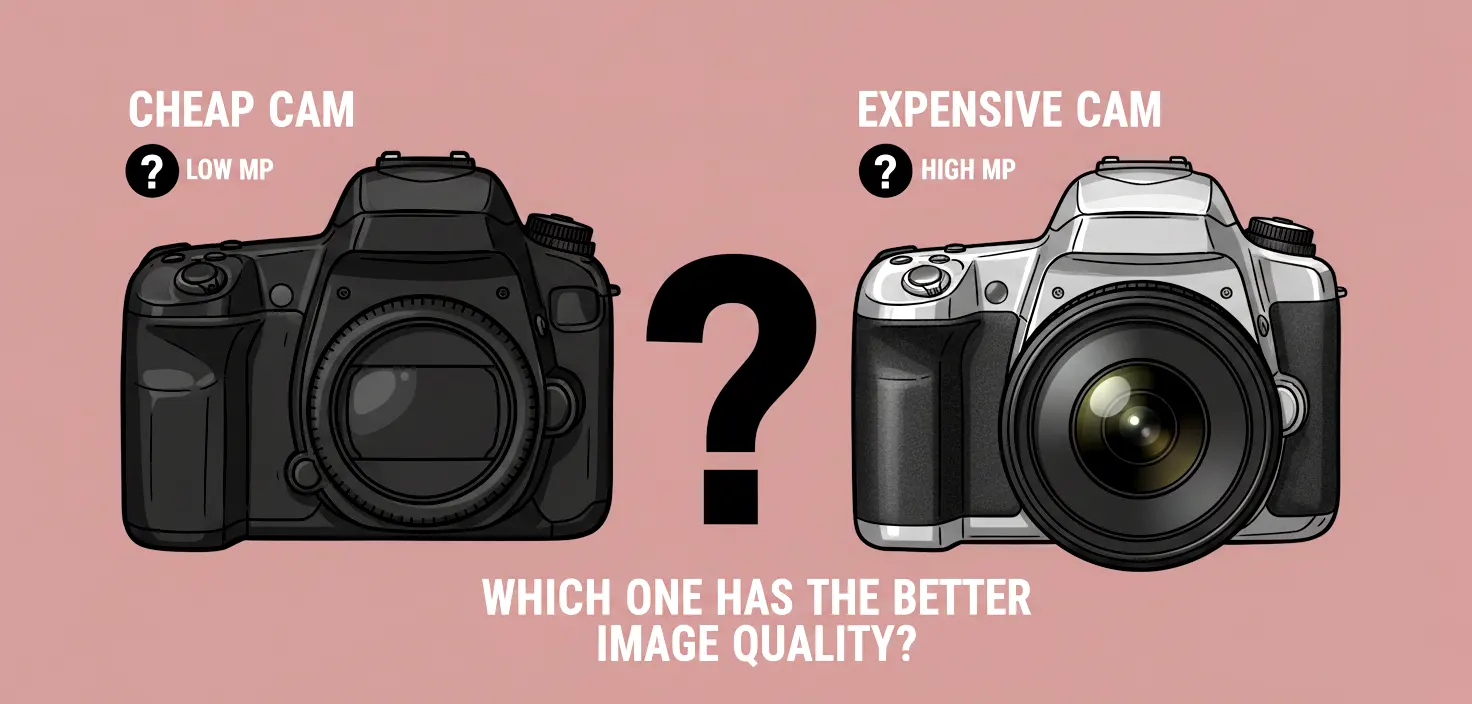
While it’s tempting to focus on megapixels, they are only one part of the image‑quality equation. Sensor size, processing engine, lens quality and dynamic range all play a far more important role.
A DSLR with fewer megapixels but a larger sensor will often outperform a compact camera with a higher megapixel count. Larger pixels capture more light, resulting in cleaner images with better colour and less noise.
Dynamic range is also crucial. This refers to the camera’s ability to capture detail in both bright highlights and dark shadows. DSLRs generally offer excellent dynamic range, allowing you to recover details in post‑processing that would be lost on smaller sensors.
Lens quality is equally important. A high‑quality lens can dramatically improve sharpness, contrast and colour accuracy. Investing in good lenses is one of the best ways to improve your photography.
Understanding Your Needs
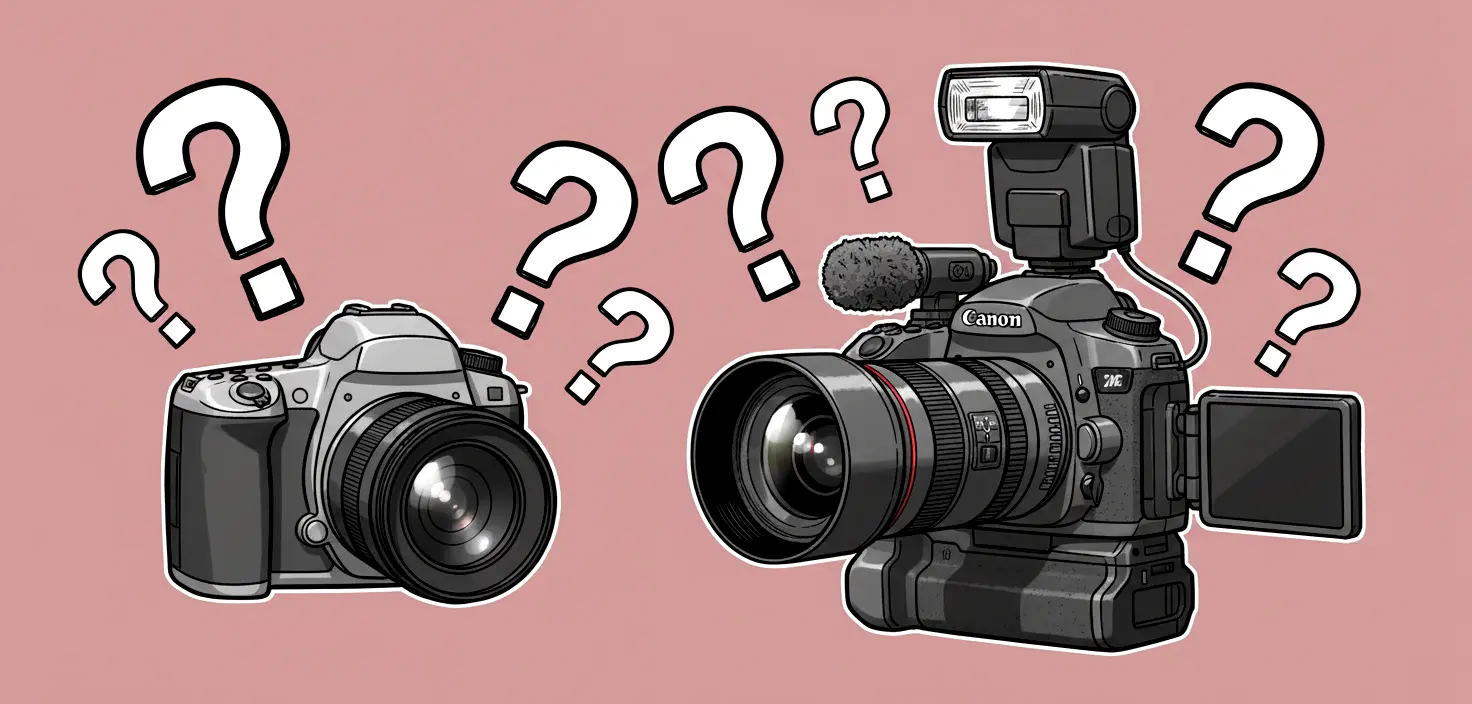
Before choosing a DSLR, think carefully about how and where you plan to use it. If you mostly take photos indoors or in good weather, you may not need weather sealing. If you travel frequently, a lightweight model may be more practical than a heavy professional body.
Battery life is another consideration. Some DSLRs can take hundreds of shots on a single charge, while others may require more frequent recharging. If you shoot in remote locations without access to electricity, battery life becomes especially important.
Consider whether you need the latest model. Camera technology evolves, but not always dramatically. An outgoing model can offer excellent performance at a reduced price, making it a smart choice for budget‑conscious buyers.
Avoid getting caught up in marketing hype. Features such as extremely high megapixel counts or exotic shooting modes may sound impressive but are not always necessary for everyday photography.
Handling and Ergonomics
A camera may look great on paper but feel awkward in your hands. Ergonomics play a huge role in how enjoyable a camera is to use. Before buying, try to hold the camera if possible. Check whether the grip feels comfortable, whether the buttons are easy to reach and whether the viewfinder suits your eye.
A smaller camera is easier to carry but may feel cramped, especially if you have larger hands. A larger camera offers better stability but may be tiring to carry on long trips. The right balance depends on your personal preferences.
The quality of the rear screen is also important. A bright, high‑resolution display makes reviewing images easier, especially outdoors. Some models offer tilting or fully articulating screens, which are useful for shooting at unusual angles or recording video.
Lens Compatibility and System Longevity
One of the advantages of choosing a DSLR is the long‑term investment in a lens system. Most major brands maintain compatibility across generations, meaning lenses you buy today will likely work with future bodies.
However, compatibility is not always perfect. Some older lenses may not support autofocus on newer bodies, or they may lack modern features such as image stabilisation. It’s worth researching your chosen brand’s lens ecosystem to ensure it meets your needs.
It’s also helpful to consider what your friends or family use. If someone close to you owns lenses or accessories, you may be able to borrow equipment, which can save you money and expand your creative options.
Conclusion
The DSLR market is mature and competitive, which means it’s difficult to make a truly bad choice. All major manufacturers produce excellent cameras that deliver high‑quality results. The key is choosing a model that suits your needs, your budget and your long‑term goals.
If you’re still unsure, reading reviews and watching sample footage can help. Look for real‑world tests rather than marketing materials. Pay attention to how the camera performs in low light, how responsive the autofocus is and how intuitive the controls feel.
Remember that photography is ultimately about creativity, not equipment. A skilled photographer can take stunning images with a modest camera, while an expensive model won’t automatically make you a better photographer. Choose a camera that inspires you to go out and shoot, and you’ll be on the right path.