Choosing the Right Speakers: A Complete, Easy‑to‑Understand Guide
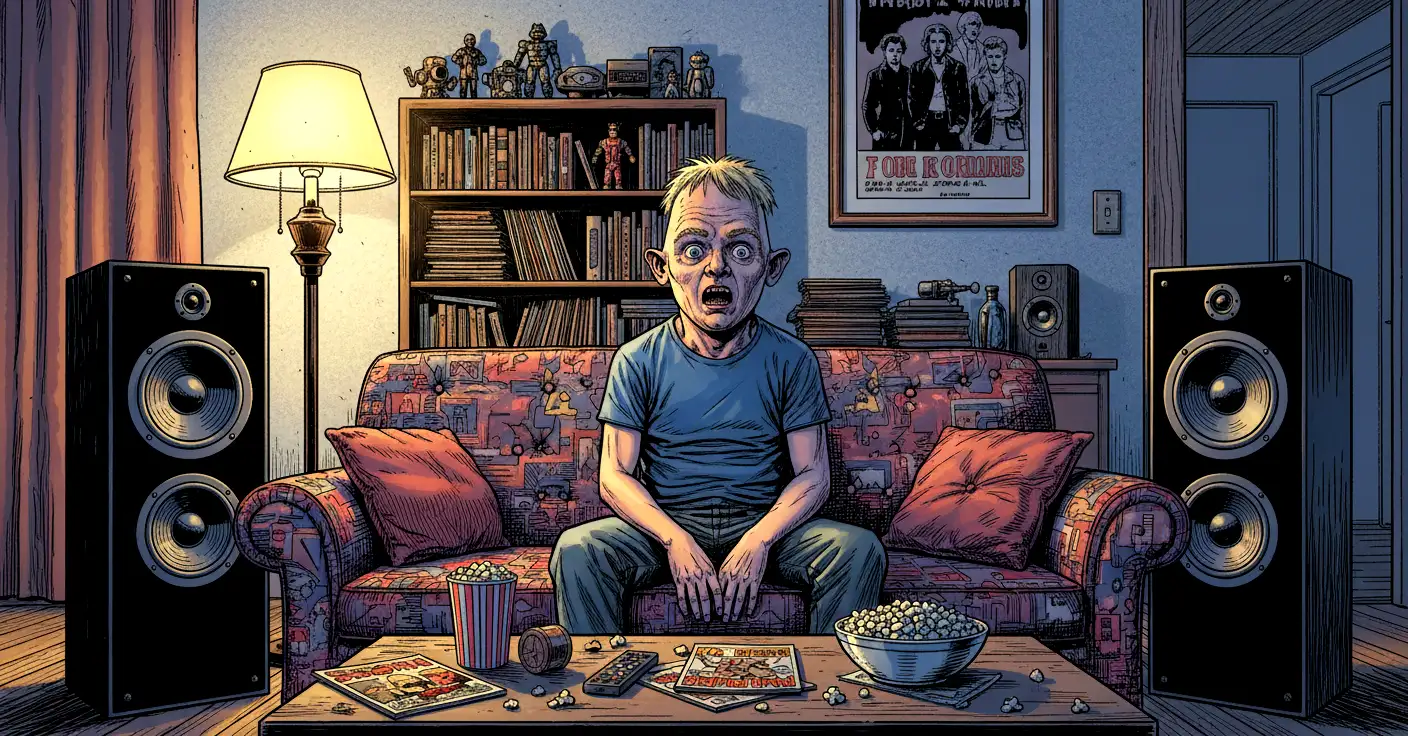
Choosing speakers is one of the most important decisions you’ll make when building a music or home cinema system. You can have the world’s most powerful amplifier, the fanciest streaming service, and cables that cost more than your weekly shop, but if your speakers aren’t up to the job, the end result will be underwhelming. Speakers are the final link in the chain, converting electrical signals into the sound waves that actually reach your ears. In other words, they’re the bit that really matters.
The challenge, of course, is that the speaker market is enormous. There are speakers for desks, speakers for walls, speakers for ceilings, speakers that pretend not to be speakers, and speakers that look like they’ve been designed by someone who really wanted to build a spaceship instead. With so many options, it’s easy to feel overwhelmed.
This guide breaks everything down into clear, friendly sections, helping you understand the different types of speakers, what they’re best for, and how to choose the right ones for your space, your equipment, and your listening habits.
Types of Speakers
Floorstanding Speakers
Floorstanding speakers are the giants of the speaker world. Tall, powerful and often surprisingly elegant, they offer excellent sound quality without requiring you to remortgage your house. They typically contain multiple drivers—woofers, midrange units and tweeters—allowing them to produce a full, rich sound with plenty of bass.
Because of their size, floorstanders can move more air, which means they can deliver deeper, more authoritative bass than smaller speakers. This makes them ideal for larger rooms, energetic music genres, and anyone who wants a cinematic experience without necessarily adding a subwoofer.
Modern floorstanding speakers are far more décor‑friendly than the big black boxes of years gone by. Many now come in slim designs and stylish finishes, so you can enjoy powerful sound without your living room looking like a recording studio.
Compact or Bookshelf Speakers
Compact speakers—often called bookshelf speakers—are smaller, more flexible, and easier to place around the home. Despite the name, you don’t actually have to put them on a bookshelf; in fact, they usually sound better on proper stands or wall mounts. But the point is that they’re versatile.
Because they’re smaller, they don’t produce the same level of bass as floorstanders. However, many modern compact speakers offer excellent clarity, detail and balance. For small to medium‑sized rooms, they can be the perfect choice.
They’re also more budget‑friendly, making them a popular option for people who want great sound without the bulk or the cost of larger speakers. And if you do want more bass, you can always add a subwoofer later.
Satellite Speakers
Satellite speakers are tiny, discreet speakers designed to be used as part of a system that includes a subwoofer. On their own, they can’t produce deep bass, but when paired with a good subwoofer, they can deliver a surprisingly full sound.
They’re ideal for people who want a surround sound system without filling the room with large speaker boxes. They’re also great for minimalist interiors where the goal is “cinema sound” rather than “cinema décor”.
In‑Wall Speakers
If you want great sound without visible speakers, in‑wall speakers are a clever solution. They’re installed directly into the wall, leaving only a slim grille visible. Despite their discreet appearance, many in‑wall speakers offer excellent sound quality, especially when properly installed and paired with a suitable amplifier.
They’re popular in modern homes, open‑plan living spaces, and dedicated home cinema rooms. They also keep floors and shelves free for more important things—like plants, ornaments, or the cat’s favourite sleeping spot.
Side and Rear Speakers
Side and rear speakers are used in surround sound systems to create an immersive audio experience. They’re typically placed behind or beside the seating area, helping to reproduce effects such as footsteps behind you, rain falling around you, or the occasional dramatic explosion.
You don’t necessarily need special “rear speakers” for this. Many people use compact speakers for the job, and they work perfectly well. The key is placement and balance, not the label on the box.
Centre Speakers
The centre speaker is the unsung hero of a home cinema system. It handles most of the dialogue in films and TV shows, which means it’s responsible for making sure you can actually hear what people are saying. If you’ve ever watched a film where the explosions were deafening but the voices sounded like they were recorded in a cupboard, the centre speaker was probably the culprit.
Centre speakers are usually placed above or below the TV and are designed to spread sound evenly across the room. They’re essential for a proper surround sound setup.
Soundbars
Soundbars have become incredibly popular, and it’s easy to see why. They offer a simple, tidy, all‑in‑one solution for people who want better TV sound without the cables, boxes and general faff of a full speaker system.
Modern soundbars can be surprisingly powerful, with virtual surround processing, built‑in amplification and wireless subwoofers. They’re ideal for smaller rooms, minimalist setups, or anyone who wants a big improvement over TV speakers without turning their living room into a speaker showroom.
Subwoofers
Subwoofers specialise in deep bass—the kind you feel as much as hear. They’re essential for home cinema systems and extremely helpful for music systems that need more low‑end weight.
Subwoofers are usually placed on the floor, and because bass frequencies are less directional, you have more flexibility in where you put them. Many modern subwoofers are active, meaning they have their own built‑in amplifier, which takes the strain off your main system.
Docking and Portable Speakers
Portable speakers have become a staple of modern life. Whether you’re streaming from your phone, tablet or laptop, portable speakers offer convenience, wireless connectivity and surprisingly good sound for their size.
Docking stations are less common now, as wireless streaming has taken over, but portable Bluetooth and Wi‑Fi speakers remain hugely popular. They’re ideal for casual listening, outdoor use, or taking your music from room to room.
Active Speakers
Active speakers have built‑in amplifiers, meaning you don’t need a separate amp. They’re popular for desktop setups, studio use, and modern living spaces where simplicity is key.
Many active speakers now include wireless streaming, HDMI inputs, and room‑correction technology, making them a powerful alternative to traditional hi‑fi systems.
PC and Mac Speakers
If you spend a lot of time at your computer, a good set of desktop speakers can make a huge difference. They’re designed to sit close to you, offering clear, detailed sound for music, films, games and video calls.
While they’re smaller than traditional hi‑fi speakers, many modern desktop speakers offer impressive performance, especially when paired with a compact subwoofer.
Wireless Streaming Systems
Wireless multi‑room systems have become incredibly popular thanks to services like Spotify, Apple Music and Tidal. Brands such as Sonos, Bluesound and others offer speakers with built‑in amplification and wireless connectivity, allowing you to place speakers in multiple rooms and control everything from your phone.
These systems are ideal for people who want convenience, flexibility and whole‑home audio without running cables everywhere.
Understanding Speaker Characteristics
Sound Quality
Sound quality is subjective, so it’s important to listen to several speakers before buying. Pay attention to clarity, bass response, detail, and how natural the sound feels. Some speakers are warm and smooth, others are bright and analytical. Neither is “right”—it depends on your taste.
If possible, listen to speakers using music you know well. If the shop insists on playing something you’ve never heard, politely insist on your own choice. You’re the one spending the money, after all.
Usage: Music vs Home Cinema
If your main focus is music, a good pair of stereo speakers—floorstanding or compact—will usually be enough. Adding a subwoofer can help, but it’s optional.
For home cinema, a surround system with front speakers, a centre speaker, rear speakers and a subwoofer will give you the most immersive experience. Soundbars are a simpler alternative, but they can’t match the precision of a full system.
Type of Music
Different speakers suit different genres. Rock and electronic music often benefit from larger speakers with strong bass. Classical and acoustic music may sound better on speakers that emphasise detail and nuance.
If your playlist jumps from heavy metal to piano sonatas to 90s dance classics, aim for well‑balanced speakers that can handle a bit of everything.
Room Size and Speaker Size
Your room plays a huge role in how speakers sound. Large floorstanders in a tiny room can overwhelm the space, while small speakers in a large room may struggle to fill it.
As a general rule:
- Small rooms suit compact speakers.
- Medium rooms can handle either compact or floorstanding speakers.
- Large rooms benefit from floorstanders or a system with a subwoofer.
If in doubt, choose speakers that fit comfortably without dominating the room. Unless you enjoy the look of towering monoliths beside your sofa, in which case—go for it.
Compatibility with Your Amplifier
If you already have an amplifier or receiver, make sure it can drive the speakers you want. Speakers vary in sensitivity and impedance, and some require more power than others.
Underpowered amplifiers can distort or even damage speakers, so check the recommended power range. If you’re unsure, ask the retailer—they should be able to guide you.
Design and Appearance
Let’s be honest: speakers are part of your home décor. Even the best‑sounding speakers won’t be welcome if they look like industrial machinery. Fortunately, modern speakers come in a wide range of colours, finishes and styles.
Whether you prefer sleek Scandinavian minimalism, classic wood veneers or something bold and modern, there’s a speaker to match your taste—and hopefully your partner’s too.
Conclusion
Choosing the right speakers doesn’t have to be complicated. Start by thinking about your room size, your listening habits, and whether you want a system for music, films or both. Consider the different types of speakers and how they fit into your space. Listen to several options if you can, and trust your ears—they’re the ones that matter.
With the right speakers, your favourite music will sound better, your films will feel more immersive, and your home will be filled with sound that brings joy rather than frustration. And if you can achieve all that without tripping over cables or starting a domestic debate about speaker size, even better.